At some point, it had to get written, right? The end of the dynasty piece that always waits in the wings for any dominant sports franchise. This comes for all dominant teams, no matter how long it takes to get there. Ideally, if it is to be a “last dance/last ride”, you get that great ride into the sunset, one last victory to punctuate the greatness. Usually though, it is a loss, or series of losses along the way. The people that got the team to the top of the mountain either move on, age out, or just are no longer there. The rest of the league starts catching up, and what once assured victory no longer yields the same results.
It would seem that the time has come for the Houston Astros. For a decade, the Astros reigned supreme over MLB. They had the best players, the best system, and took no prisoners in their quest to give Houston that surefire dominant sports team they’ve so desired. The accolades are well known for the fanbase. Since 2015: 2 World Series, 4 AL Pennants, 7 straight ALCS appearances, 8 Division Titles, 10 playoff bids. Tell a franchise not named the New York Yankees (or, given how the past 17 years have gone, tell them this too) that your franchise will get 11 years of that type of glory, and all 30 franchises are going to take that, no questions asked. Even if you threw in the whole trash-can sign-stealing subplot that would make you the biggest heels in baseball, if not all of American sports, and deep down, the other 29 franchises are going to take that. Consider what happened to Houston after the revelations of late 2019-2020. What should have buried the team from that time resulted in: 1 World Series, 2 AL Pennants, 4 ALCS appearances, 5 Division Titles, 6 playoff bids. Yeah, I would say the Astros managed quite well.
Yet, even for a dominant force like the Astros, success isn’t eternal. Attrition of talent was always expected. The farm system, once the envy of the league, suffered expected diminishment as the Astros did what contending teams always do and trade future talent to reinforce current championship drives. Not just players got lured to new pastures with the promise of more gold/opportunities. Coaches and executives also moved on. The Astros could replace, but couldn’t reload forever. One might argue that the penalties costing Houston four top draft picks in 2020 and 2021 helped set them back. Unlike the Yankees or Dodgers, the Astros don’t have a ready-made cash reserve from TV deals to go out and spend the big money for talent retention or massive systemic upgrades.
Then, along with time, don’t underestimate the role of hubris. The various power struggles within the Astros’ front office, especially between 2022-2023, may have been the tipping point. Crane, after the revelations of the 2019-2020 offsesaon, decided he had to take a more direct role in team operations. What all happened between him and his then-GM James Click may never be fully known, but at the pinnacle of the Astros’ run with its dominant 2022 WS win, the near-immediate dismissal of Click could be the marker from which things start to decline. What came after the Click/Baker partnership can all be seen through the lens of decline. Perhaps the decline still happens under Click, but how he was fired and what transpired after make the case for this being the focal point.
Yet, there are other points where if things went differently, the assessment of the Astros is drastically altered. What if Luhnow wasn’t canned, or quickly brought back after the fallout from the revelations ended? Perhaps if Houston hadn’t suffered an inexplicable ability to win home games of any sort in 2023 and Houston managed to get that 3rd WS crown, maybe the fall is postponed further, or maybe it gets accelerated. Perhaps if the pitching moves before this season made by Dana Brown (save the seemingly minor move to sign Lambert on a team-friendly flier) hadn’t all blown up in the team’s face, we are having a different discussion. Perhaps if the AL hadn’t been so mediocre and the AL West a virtual joke, perhaps the rebuild discussions start sooner. In looking back, no shortage of viable “What if?” scenarios to consider related to the Astros the last few seasons.
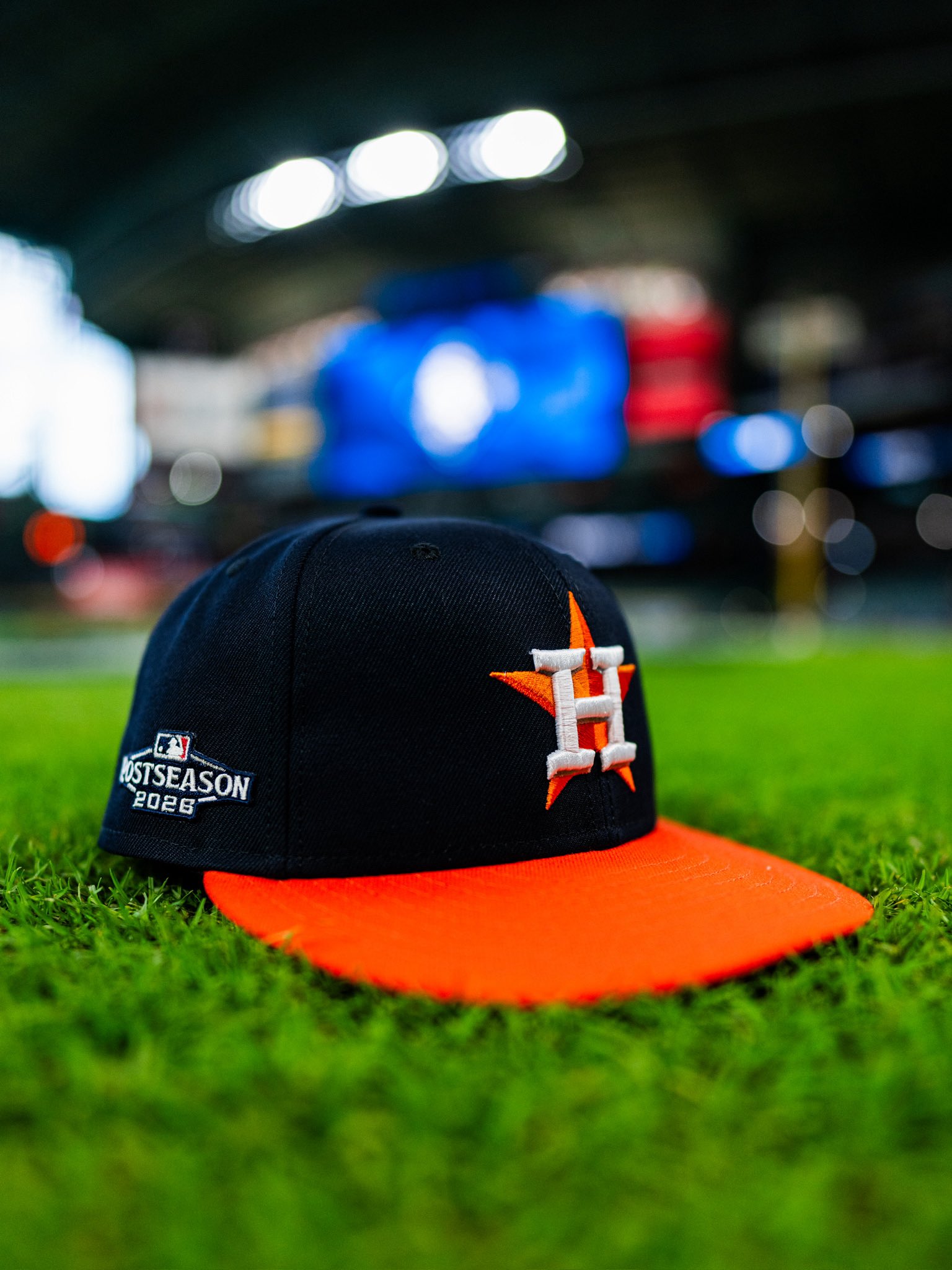
Arguably, those historians can start their introductory outlines now. After claiming their 8th AL West division crown, with the weakest Astros team since before the dynastic run, the Astros returned to the postseason, only for that run to end after a quick series against the resurgent White Sox. Probably didn’t help that the White Sox may had some papal blessings, but the Astros did a pretty good job of sabotaging themselves here. There could be an argument for the White Sox being the 2020s version of the 2010s Astros (300+ losses over a three-year period before rebuilding with talent to get back into the playoff mix), but for Houston they are now closer to the also-ran/rebuild of the early 2010s vs. the run of the late 2010s-early 2020s. Kind of a painful coda that the squad so known for recent postseason glory is saddled with a 6-game post-season losing streak and a 9 (!!!!) game home playoff losing streak.
We’ll have plenty of time to write on the potential ways ahead for the Astros, especially if the expected lockout drags on deep into Spring Training. The topics are incredibly numerous, from who becomes the new GM and the (likely) new manager to what does the team do with its current stars and how do they plan to reset for the future. Likely a rebuild of some sort is coming, but then again, it is possible the Astros just retool and the blip of the last couple of seasons (by Houston standards) is akin the 2008-2010 Patriots, who only managed two playoff appearances and no playoff wins in that stretch, only to get back to dominance from 2011-2019 (5 Super Bowl appearances, 3 Super Bowl wins). As for now, the 2026 Astros are done, and with it, perhaps the Astros as we’ve known them.


































Many good hypothesis about the decline of the Astros. Most of them well articulated and fact-based. I will just say that history won’t be kind to Crane.